
VERITASEpigenetic
Computational analysis of methylation data

Science

Science should look like science

Every topic follows one template: the question, what the evidence shows, what it does not show, clinical relevance, references and the date of scientific review.

Science & Education experience

Make education a product feature

The website should explain complex science without diluting scientific accuracy.

01

Epigenetics

What is the epigenome? How does DNA methylation regulate gene activity?

Epigenetic mechanisms include DNA methylation, histone modification and non-coding RNA regulation. They influence which genes are active in which tissues, without altering the underlying DNA sequence.

Molecular representation of DNA and epigenetic marks
02

Biological age

Chronological age versus biological-aging measures.

Chronological age counts elapsed time. Biological-aging measures attempt to describe the state of cells and tissues, interpreted relative to a defined reference population.

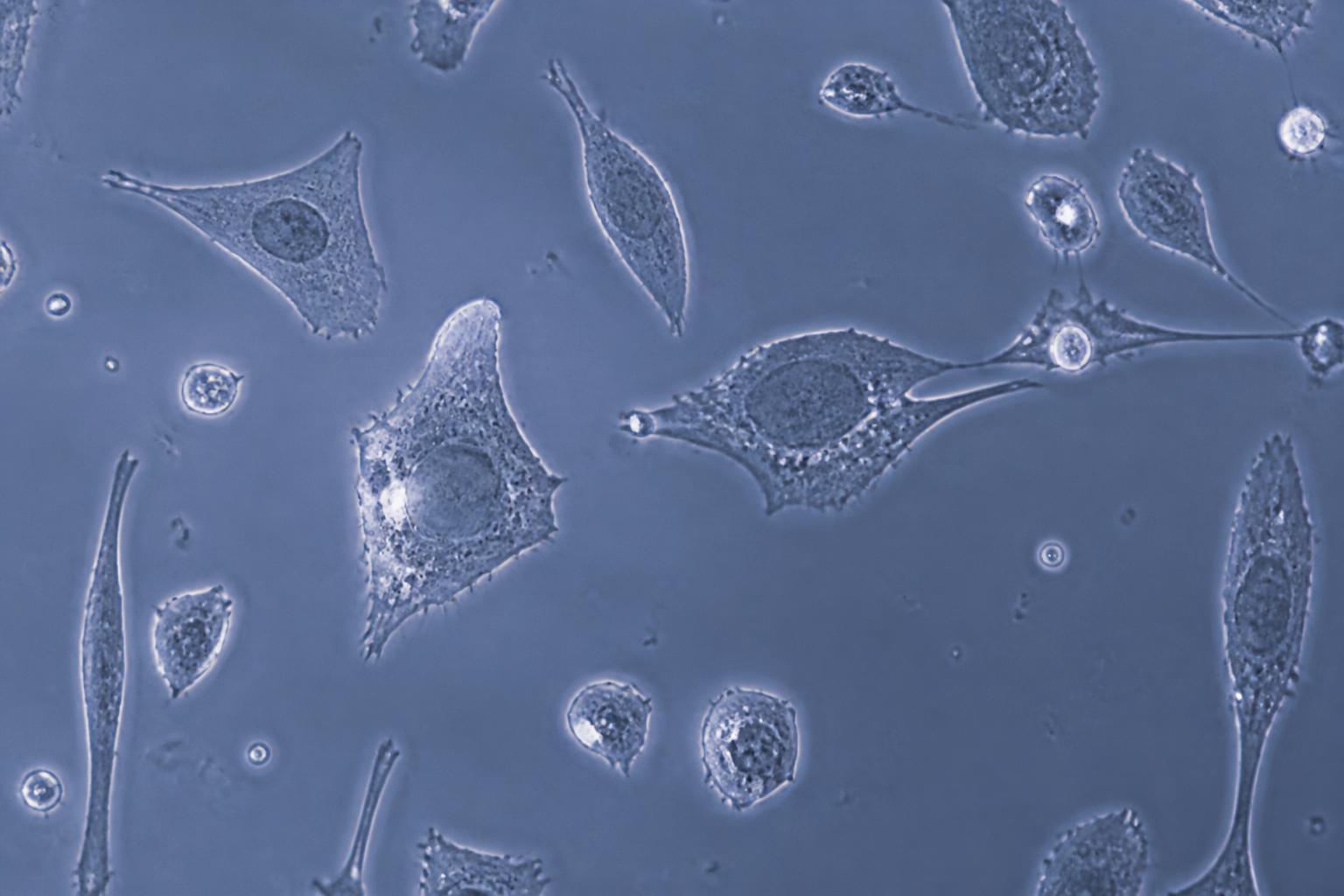
Microscopy image of human cells
03

Epigenetic clocks

What they are, how models are developed, and their limitations.

Model development involves feature selection, training populations and validation cohorts. Limitations include population representativeness, tissue specificity, technical variability and the distinction between correlation and clinical meaning.

Statistical analysis of methylation data
04

Metabolic health

Glucose regulation, insulin signaling, adiposity and biological context.

Metabolic context is presented alongside epigenetic measures. It does not replace conventional clinical testing.

Illustration of human physiology
05

Inflammation

How inflammatory biology intersects with aging research.

Reported associations between inflammatory states and epigenetic patterns are largely observational. Mechanistic hypotheses should not be presented as established clinical facts.

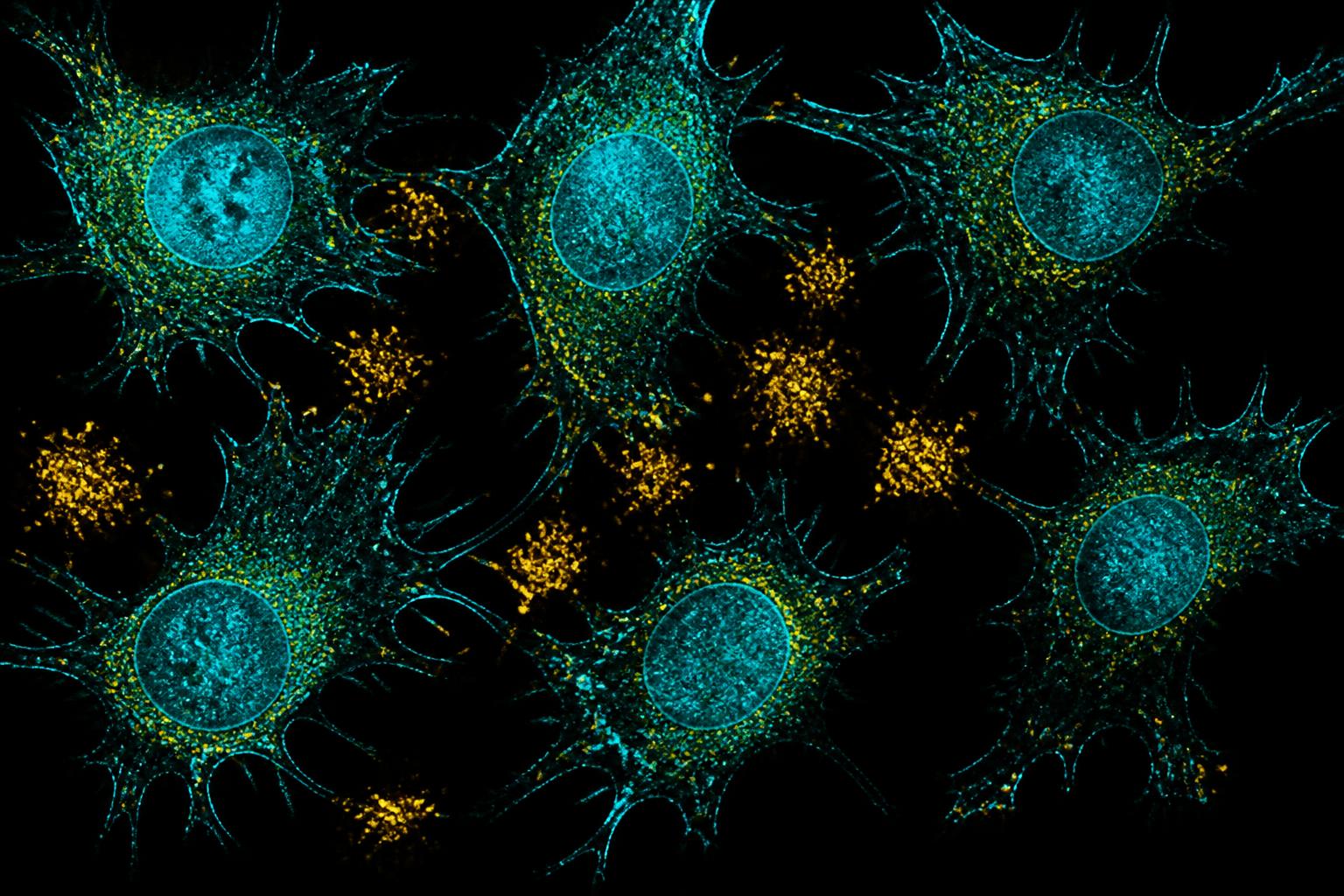
Cellular visualisation of immune activity
06

Lifestyle

Exercise, nutrition, sleep, smoking and other factors associated with aging biology.

Lifestyle factors are described as associations reported in the scientific literature, not as individual promises of change.

Researchers reviewing scientific publications

Evidence framework

Four levels of scientific claim

Every statement on this platform is assigned to one of these levels.

  1. Mechanistic hypothesis

    A biologically plausible pathway that has not been demonstrated in clinical populations.

  2. Association

    A statistical relationship observed in studies; not evidence of causation for an individual.

  3. Clinical evidence

    Findings from studies in relevant clinical populations, with defined endpoints.

  4. Validated biomarker

    A measure with documented analytical and clinical validation for a defined intended use.

Article template

Every science article should follow one template

01

Question

Start with the clinical question.

02

What the evidence shows

Summarize evidence with citations.

03

What it does not show

State uncertainty, limitations and non-causal interpretations.

04

Clinical relevance

Explain how the topic may fit into clinical context.

05

References

Peer-reviewed sources, DOI / PMID where appropriate.

06

Last reviewed

Show scientific review date and responsible team.

Scientific publication database coming soonValidation data to be published

What this does not mean

Published academic work is cited as scientific context. VERITAS EPIGENETIC does not claim a formal collaboration with any university or institution unless a verified relationship exists and the exact approved wording has been provided.