
VERITASEpigenetic
Scientific illustration of human metabolic physiology

Health & Longevity

Epigenetics × metabolic health

Healthspan, not marketing longevity. This section describes where metabolic biology and aging research intersect, and how strong each type of evidence actually is.

Mechanistic pathway

When metabolism and aging intersect

The pathway below is presented as a mechanistic framework described in the research literature — not as an established individual diagnosis.

  1. Metabolic dysfunction

    Disturbed regulation of glucose and lipid handling.

  2. Insulin resistance

    Reduced tissue responsiveness to insulin signalling.

  3. Hyperinsulinaemia

    Compensatory elevation of circulating insulin.

  4. Adipose dysfunction

    Altered adipose tissue behaviour, including visceral adiposity.

  5. Inflammatory signalling

    Low-grade inflammatory activity described in metabolic research.

  6. Cellular stress

    Oxidative and mitochondrial stress responses.

  7. Epigenetic alterations

    Changes in methylation patterns reported in association studies.

  8. Biological aging signals

    Measurable signals interpreted only within clinical context.

Cellular visualisation of inflammatory biology

Evidence discipline

Mechanistic hypothesis, association, clinical evidence and validated biomarker are distinct categories. This platform does not present a hypothesis as a clinical fact.

Metabolic aging

What clinicians already measure — and what epigenetics may add

Epigenetic information may add biological context. It does not replace conventional clinical measurement.

Conventional clinical measures

  • HbA1c
  • Fasting glucose
  • Fasting insulin
  • Lipid profile
  • Blood pressure
  • Body composition
  • Liver markers
  • Clinical history

These remain the foundation of metabolic assessment. An epigenetic result never substitutes for them.

Where epigenetic context may fit

  • Glucose regulation
  • Insulin signalling
  • Visceral adiposity
  • Lipid metabolism
  • Mitochondrial function
  • Inflammation
  • Oxidative stress
  • Sleep & activity

Epigenetic measures are considered supplementary biological context, reported with their evidence level.

Healthspan topics

Factors studied in aging biology

01

Nutrition

Dietary patterns are studied extensively in metabolic and aging research, with findings that are largely observational.

Nutritional guidance should come from a qualified healthcare professional and be based on clinical evidence, not on an epigenetic measurement alone.
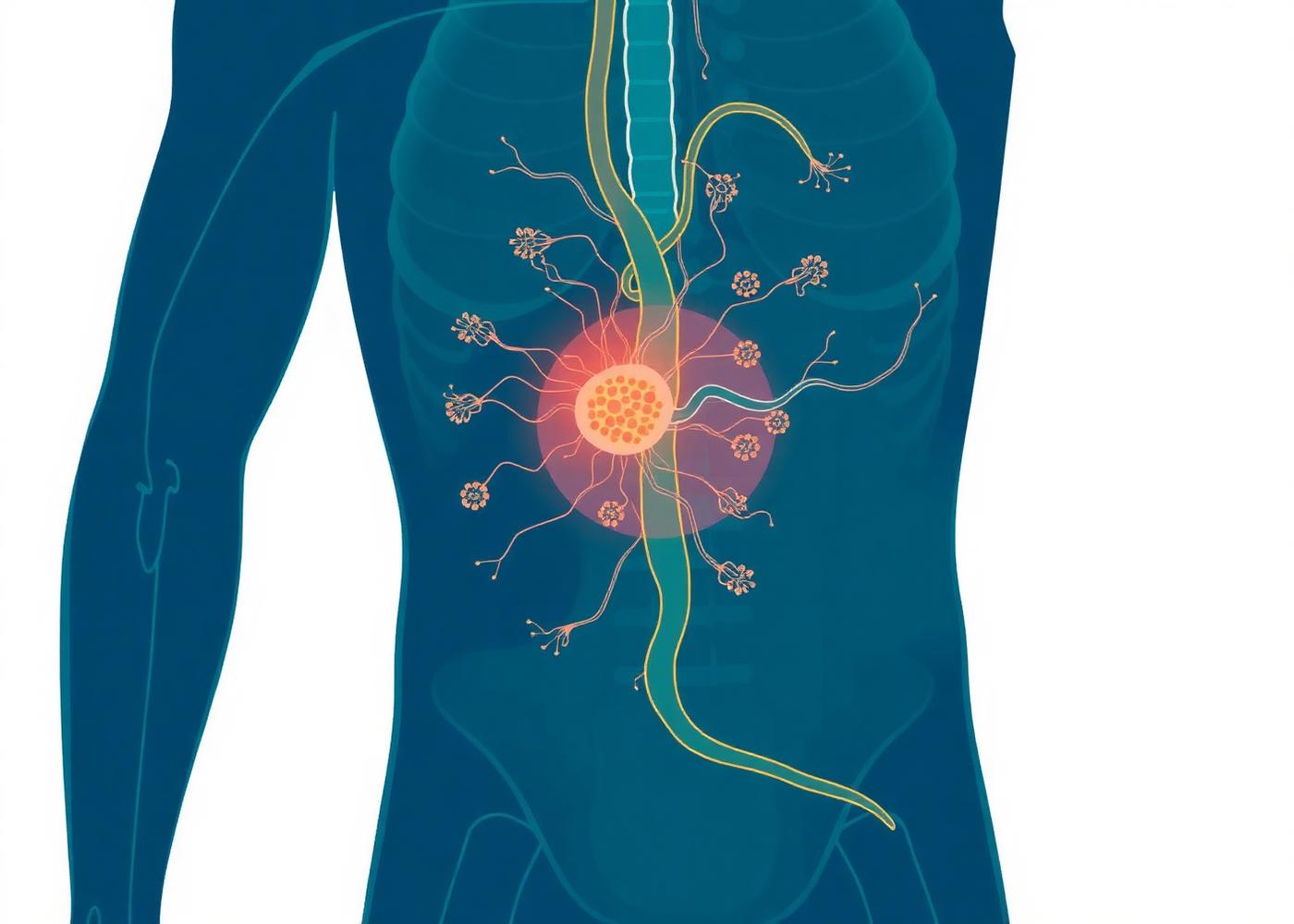

Illustration of metabolic physiology
02

Physical activity

Physical activity is one of the most consistently studied factors in cardiometabolic and aging research.

Associations with epigenetic patterns have been reported; they do not translate directly into an individual prediction.

Cellular biology microscopy
03

Sleep and stress

Sleep quality and psychological stress are described in the literature as associated with biological and inflammatory measures.

Evidence in this area varies in strength. Statements on this platform are labelled with their evidence level.

Calm clinical environment
04

Inflammation and cardiovascular health

Inflammatory biology intersects with cardiovascular and aging research along multiple described pathways.

Cardiovascular risk assessment remains a clinical activity based on validated tools and conventional measurements.

Immune cell visualisation

What this does not mean

Nothing in this section should be interpreted as medical advice, a treatment recommendation, or a claim that modifying any factor will change an individual biological aging measure.