
01
What will I learn?
A biological aging profile: what was measured, what it may indicate and what remains uncertain.
Only measures validated for the assay are included in your report.

Epigenomic research · DNA methylation · Clinical science
Medical Affairs
For Patients
An epigenetic assessment offers information about biological aging. It is a starting point for a conversation with your physician, not a verdict.
Why consider it?
Your age in years is only part of the picture. Epigenetic markers give one view of the biological changes happening in your cells.
Measured signals to consider alongside your history and routine tests.
Information that supports a discussion about what to monitor and when.
Every finding comes with its evidence, its reference information and its limits.
Before, during and after
A biological aging profile: what was measured, what it may indicate and what remains uncertain.
Only measures validated for the assay are included in your report.
A small biological sample is collected following standard instructions.
The exact sample type will be confirmed with the final assay and described in your collection instructions.
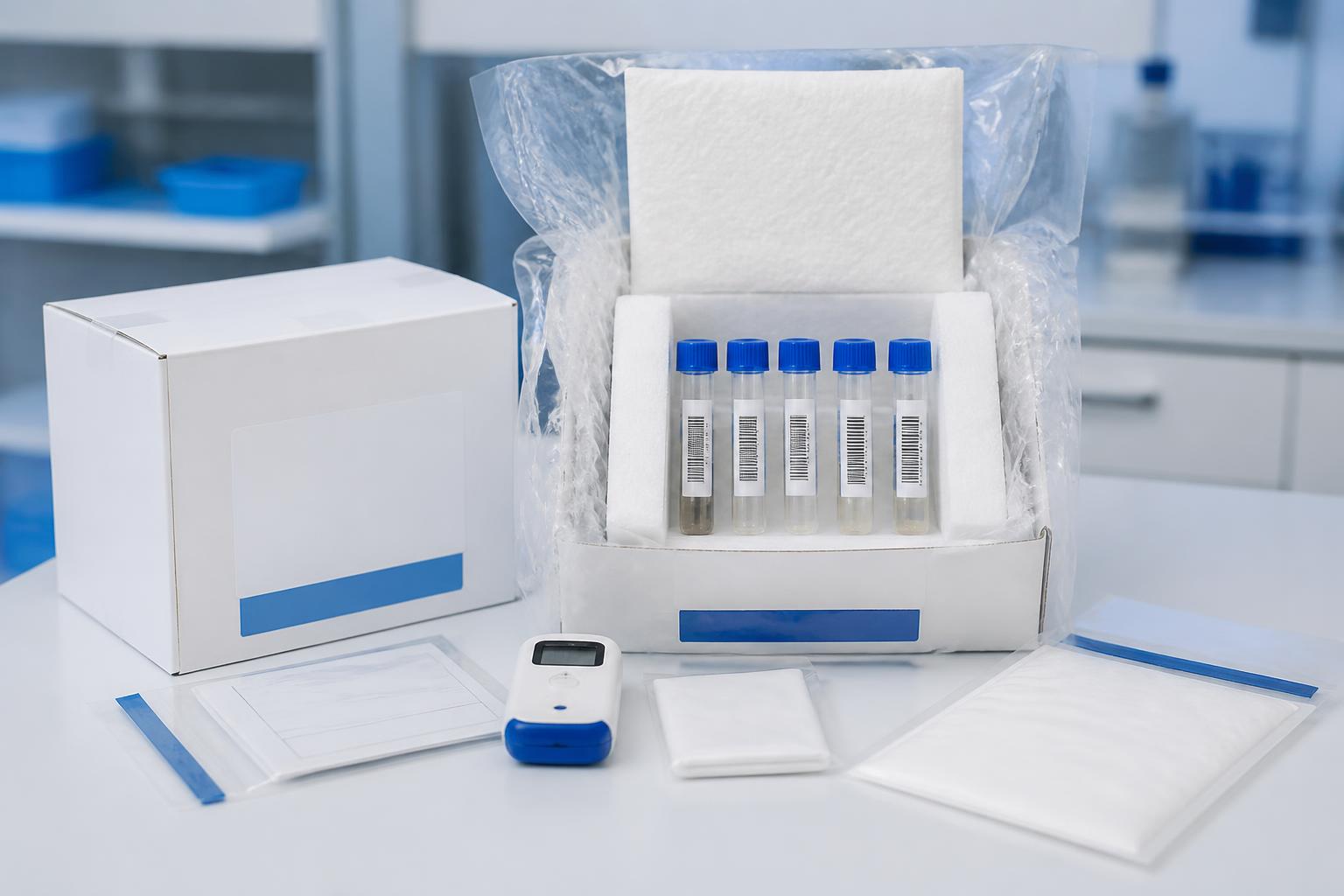
DNA is extracted, methylation patterns are measured and quality is checked before analysis.
If a sample does not meet quality standards, no result is issued and a new sample may be requested.

The report uses plain language and explains each result next to its limitations.
It ends with suggested questions you can take to your appointment.

Questions for your physician
Your physician knows your history. These questions help connect the report to your care.
Which measures are in my report, and which were not included?
How confident can we be in each result?
Should any part of my current care plan be reconsidered?
Which conventional tests matter most for me?
Would repeating the assessment be useful, and when?
Patient FAQ
No. The assessment does not predict lifespan or life expectancy.
No. It is not a diagnostic test. If you have symptoms or concerns, speak with a healthcare professional.
No. It reads epigenetic marks, mainly DNA methylation, without altering your genetic material.
We do not claim results can be reversed. Some lifestyle and health factors are associated with epigenetic patterns in research, but that does not predict change for one person.
Your data is handled under the consent and data protection policies described on the Quality, Regulatory and Privacy page.
Results are designed to be discussed with a qualified healthcare professional who can relate them to your health.